I am a self-proclaimed nerd. When I was still in high school, I asked my college-aged brothers to bring me all their college textbooks for me to read over the summer. When I was in graduate school, if we were given the option of three books to read, I always read them all. I didn’t want to miss out on one piece of information. Knowing things made me feel important, even better than others. It was really ok that I wasn’t the cutest or the most popular. I wasn’t even the smartest, but I had my thing.
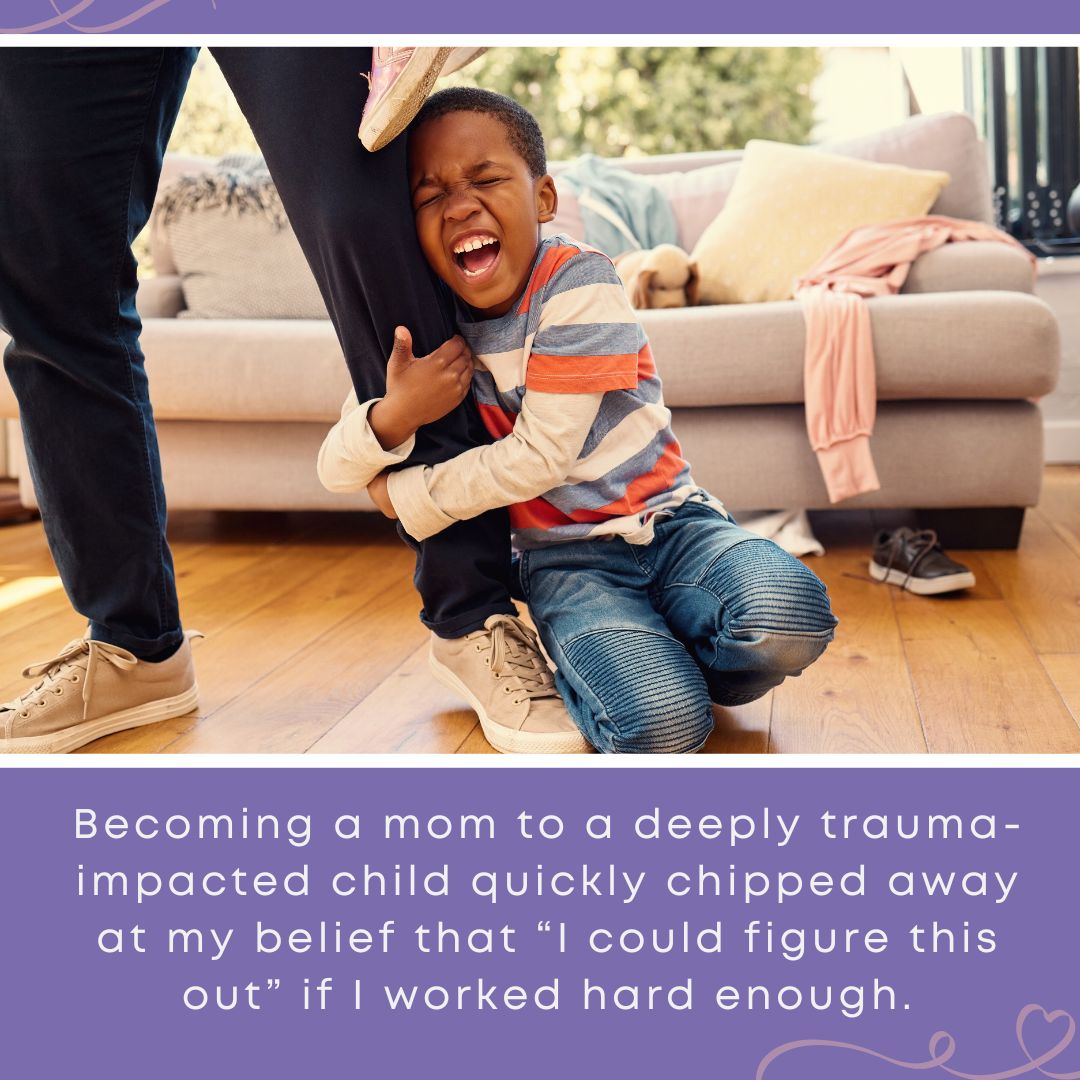
My thing was “knowing the answers,” or at least having the ability to find the answers that others couldn’t find. It was a large part of my identity and my self-efficacy. Needless to say, becoming a mom to a deeply trauma-impacted child quickly chipped away at my belief that “I could figure this out” if I worked hard enough. I felt so defeated. I approached parenting like I approached my entire learning process…with complete confidence that if I just did enough, my child would succeed.
Key Takeaways
- Knowing isn’t enough. No amount of research, diagnoses, or expert advice will make raising a child who has been trauma-impacted or who has special needs feel simple or easy.
- Mastery is a myth. Parenting a child with special needs or who is trauma-impacted isn’t a problem to solve—it’s a relationship to grow through.
- Shift from fixing to growing. The most powerful question isn’t “How do I fix this?” but “What is this moment teaching me?”
- Your worth isn’t tied to your child’s progress. Letting go of that connection is freeing and essential.
- Growth builds capacity. The load doesn’t get lighter, but you get stronger—more resilient, more patient, more present.
- Stay in the room. Sometimes the most powerful thing a parent can do is simply remain connected, even when they don’t have the answers.
- There is no certification for this. The calm, softness, and patience you build over time can’t be taught in a workshop—it’s earned through lived experience.
Trauma-Informed Parenting Gets Personal
So with full confidence, I entered into my doctoral program. With two children at home, it was a messy journey with lots of tears, weekly declarations that I was quitting, and a brain fog that I now know is just a normal experience for all new moms. One of my kids had all the diagnoses common to Complex Developmental Trauma Disorder, and my other child was struggling with complex medical issues at the time. The medical issues had a prescription—literally. For us, it felt simple. At least we knew that if we were doing the round-the-clock breathing treatments, our daughter would be ok. Nothing was ever as clear-cut or simple with our son.
He had attention issues, sensory issues, pica, food hoarding, insomnia, night terrors, learning difficulties, dangerous impulsivity, social issues, obsessive behaviors, and so many other things. The number of specialists we went to all over the country was overwhelming. I thought that if I just knew enough, we could figure this trauma-informed parenting out. Knowing felt like survival to me. I became a hyper-vigilant student, thinking I would eventually find the key to change everything for him.
As parents of children with special needs, we live in a world where knowing feels like survival. We seek answers and gather diagnoses, research strategies, attend workshops, and ask specialists all the right questions. We tell ourselves: If I just know enough, I can help my child. I can fix this. I can be enough.
But here’s the thing no one tells you at the start of the journey: There will never be enough information to make this feel easy or simple.
And this is where the shift must happen.
It’s where we stop trying to know everything…And start learning how to grow through everything.
The Myth of Mastery in Trauma-Informed Parenting
You will not wake up and just know how to handle every behavior, every appointment, every unexpected detour.
But parenting a child with special needs doesn’t work that way. It’s not a test you pass—it’s a relationship you grow. And growth doesn’t happen in the pages of a book or the notes from your last therapy session. It happens in the messy, sacred in-between: When the plans fall apart, and you stay grounded anyway. When you choose connection over correction. When you don’t know what to say, but you stay in the room anyway.
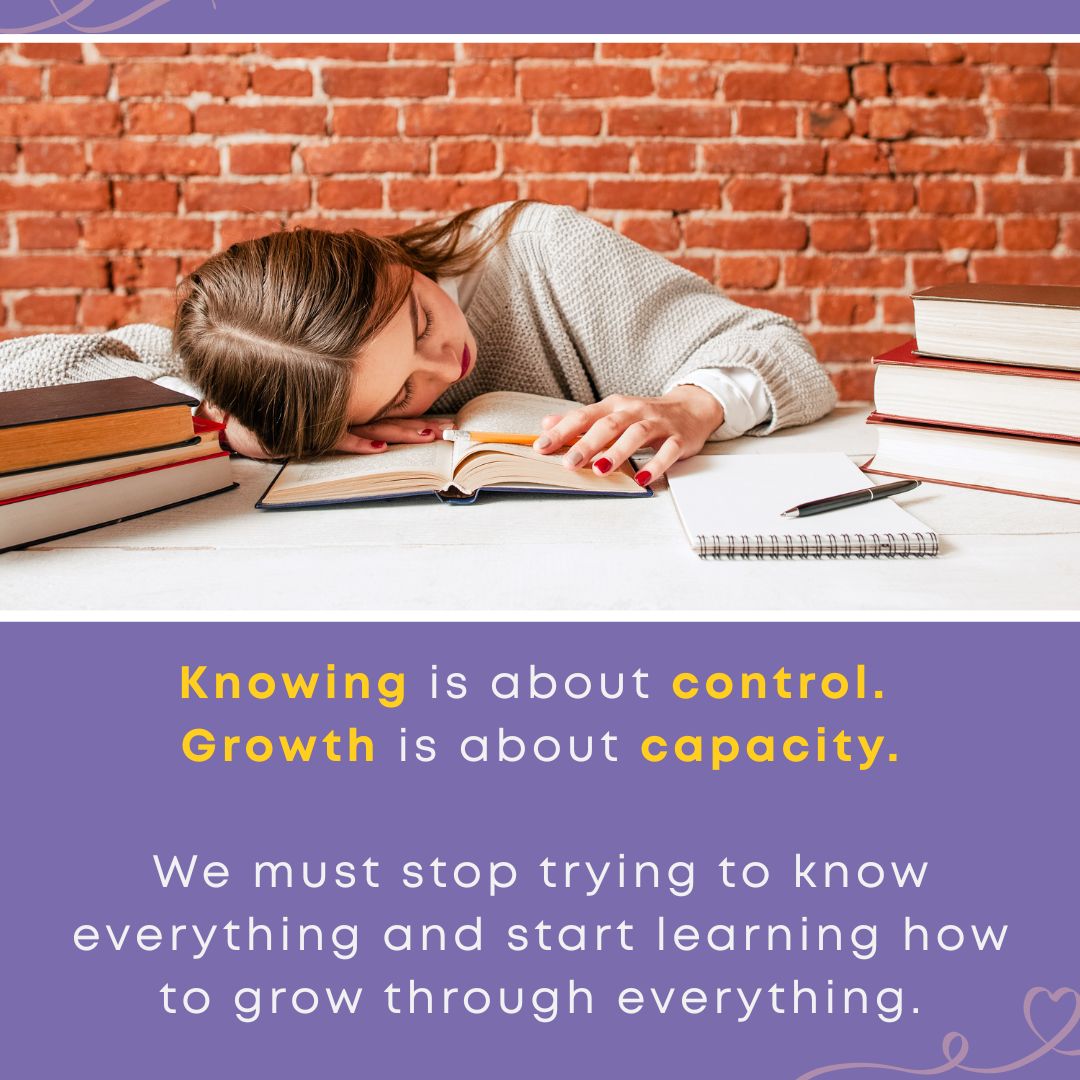
Knowing is about control. Growth is about capacity.
When Growth Becomes the Goal
Having a growth mindset invited me into a whole new conversation.
Instead of, “How do I fix this?,” we ask, “What is this moment teaching me?”
And instead of panicking when nothing seemed to work, I began to trust that I was growing—even if the results weren’t immediate. I did that differently this time. I’m learning to stay calm, especially when my child is not. I can make good choices for my child even if it is upsetting for them.
This shift doesn’t mean I stopped learning, researching, or advocating. A growth mindset just meant that knowing became less of an emphasis, and growth became my greatest emphasis (my own growth).
Why a Growth Mindset Makes Parenting More Manageable
Here’s what’s beautiful: when you start choosing growth over knowledge, problems don’t disappear—but they do become more manageable. Because when your reaction to life’s challenges becomes choosing to grow rather than choosing to know, you begin to carry the weight differently. Not because the load is lighter, but because you are becoming stronger.
Why? Because by having a growth mindset, you:
- Become more resilient.
- Stop tying your worth to your child’s progress.
- Stop trying to fix your child and start seeing them.
- Begin to partner with your reality instead of resisting it.
There’s no certification for this kind of growth. No formal training can teach the calm you’re building in your nervous system. The softness you’re choosing in the face of resistance. The patience you’re learning after years of emotional fatigue.
This growth is hard. But it’s also holy.
Summary
Parenting a child with trauma or special needs often begins with a fierce determination to find answers — to research, advocate, and know enough to make things better. But no amount of expertise can make this journey feel simple or fully manageable. The real turning point comes when we stop measuring our success by how much we know, and start measuring it by how much we’re willing to grow.
When having a growth mindset becomes the goal in trauma-informed parenting, something shifts. Problems don’t disappear, but they become more bearable. We stop trying to fix our children and start truly seeing them. We build resilience, patience, and a steadiness in our nervous systems that no textbook could ever teach. This kind of growth is slow, unglamorous, and deeply personal—but it may be the most important work we ever do.
©2026 Dr. Melody Aguayo. Used with Permission.